

Canada’s Accredited Zoos and Aquariums (CAZA) is proud to announce the official launch of the CAZA Biodiversity Biobank, a national conservation initiative developed in partnership with the Canadian Museum of Nature’s National Biodiversity Cryobank of Canada (NBCC). This program represents a major advancement in protecting Canada’s biodiversity by preserving the genetic diversity of species housed in CAZA-accredited institutions—particularly Canadian wildlife and species at risk.
Designed to support conservation science today and into the future, the CAZA Biodiversity Biobank will strengthen national species recovery efforts, expand access to high-quality genetic material, and contribute to global biodiversity research.
A National Collaboration for Conservation Impact
The CAZA Biodiversity Biobank was created to build a community of practice for animal biobanking across Canada, ensuring that accredited zoos and aquariums are equipped with the tools, standards, and partnerships needed to support long-term conservation outcomes.
“The goal of CAZA’s Biodiversity Biobank is to build a community of practice for biobanking across Canada. This initiative ensures that CAZA members bring all available tools to support our Strategic Conservation Plan, which focuses on preserving native species in Canada. No single organization can address the biodiversity crisis alone—collaboration is essential.”
— Tina Maisonneuve, CEO, CAZA National Office
The launch of the Biobank directly supports CAZA’s mission to empower Canadian zoos and aquariums to drive meaningful change in biodiversity preservation, education, and scientific research.
Early Success and Growing National Impact
Early participation from Riverview Park and Zoo, Parc Omega, Biodome, Ripley’s Aquarium of Canada, and African Lion Safari has already established a strong foundation for the Biobank. Together, these institutions have contributed over 135 biological samples representing 46 species, including 10 Canadian species—accounting for just over 20% of the current collection.
This growing repository strengthens Canada’s ability to safeguard biodiversity and ensures that genetic material is available to support future research, conservation planning, and species recovery initiatives.
Partnership with the Canadian Museum of Nature
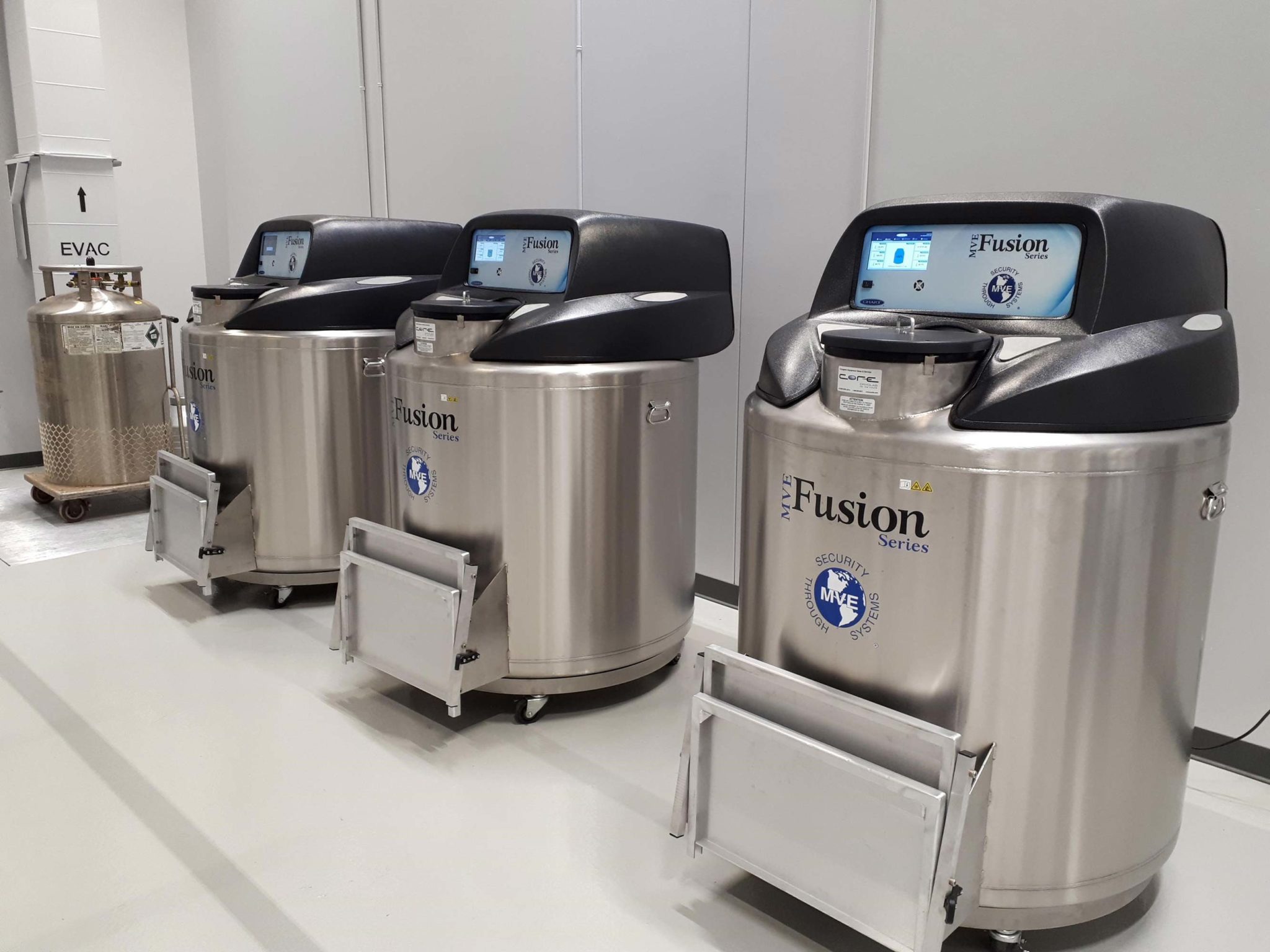
The CAZA Biodiversity Biobank is housed in collaboration with the National Biodiversity Cryobank of Canada, operated by the Canadian Museum of Nature.
“When we opened the National Biodiversity Cryobank of Canada in 2018, our goal was not only to preserve DNA and tissue samples from our collections, but also to support other institutions by biobanking donated genetic resources and making them available to the global research community. This project is an excellent use of this national biorepository for the preservation of biodiversity.”
— Dr. Danika Goosney, President and CEO, Canadian Museum of Nature
What Is a Biobank?
A biodiversity biobank is a secure repository for biological samples such as tissue, blood, and other genetic materials. These samples are cryogenically preserved for future scientific research, allowing scientists to better understand species biology, population health, and genetic diversity.
CAZA-accredited institutions are also advancing their capacity to collect and store living tissue samples, including spermatozoa, oocytes, and embryos. These samples support research and help manage genetic diversity through assisted reproductive technologies, strengthening breeding and recovery programs for vulnerable species.
From Pilot Project to National Initiative
The CAZA biodiversity biobanking program began as a pilot project involving five institutional members:
-
African Lion Safari (Ontario)
-
Biodôme de Montréal (Quebec)
-
Parc Oméga (Quebec)
-
Ripley’s Aquarium of Canada (Ontario)
-
Riverview Park and Zoo (Ontario)
During the pilot year, collection protocols were refined, standards established, and communication strengthened—laying the groundwork for expansion.
Voices from CAZA Member Institutions
“African Lion Safari is proud to be part of this collective effort where sharing knowledge and expertise helps build a strong community of practice that advances conservation science.”
— Trish Gerth, General Manager, African Lion Safari
“This program represents an important step forward in collective conservation, and we’re proud to contribute to efforts that help protect Canada’s incredible wildlife for future generations.”
— Peter Doyle, General Manager, Ripley’s Aquarium of Canada
“The Biobank’s growing collection of high-quality biological samples will play a vital role in supporting research and long-term conservation efforts, especially for species native to Canada.”
— Cathy Mitchell, Executive Director, Riverview Park and Zoo
“This collective effort strengthens our ability to preserve Canadian biodiversity while promoting knowledge sharing and scientific innovation.”
— Nicolas Gruyer, Ph.D., Director, Biodôme de Montréal | Espace pour la vie
“By participating, we extend our mission beyond the park’s borders to help preserve the diversity of life and support future research that benefits wildlife everywhere.”
— Benjamin Vallée, General Manager, Parc Oméga
Looking Ahead: A Scientific Safety Net for Species at Risk
The CAZA Biodiversity Biobank will continue to expand by welcoming additional CAZA members and conservation partners, including the IUCN Animal Biobanking for Conservation Specialist Group, Nature’s Safe, Revive & Restore, and the Global Genome Biodiversity Network (GGBN).
Together, these collaborations position the Biobank as a scientific safety net—ensuring that today’s conservation actions are informed and prepared for the challenges of tomorrow.
By preserving genetic diversity now, CAZA and its partners are helping to secure a future where Canada’s wildlife and ecosystems can thrive for generations to come.
Media Inquiries
CAZA National Office – CAZA Communications at [email protected]
Canadian Museum of Nature – Dan Smythe at [email protected]